The South African Social Security Agency (SASSA) remains one of the most important institutions in South Africa’s social support system, providing monthly financial assistance to millions of vulnerable citizens.
SASSA is responsible for administering and paying social grants on behalf of the national government. These grants are designed to support people who are unable to meet their basic needs due to age, disability, unemployment, or caregiving responsibilities. According to official figures, social grants support a significant portion of South Africa’s population, particularly in low-income and high-unemployment communities.
The agency manages several grants, including the Child Support Grant, Older Persons Grant, Disability Grant, Care Dependency Grant, Foster Child Grant, and the Social Relief of Distress (SRD) Grant. The SRD grant, in particular, has become a critical source of income for unemployed adults with no other form of support.
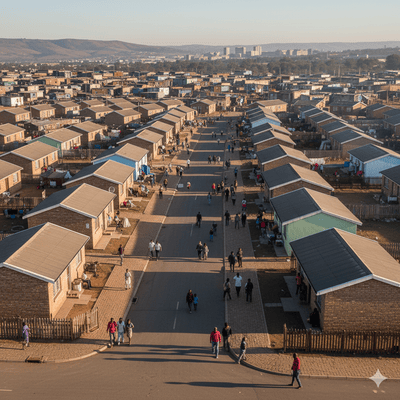
For many households, SASSA payments are used to cover essentials such as food, electricity, transport, school expenses, and healthcare. In rural areas and townships, grant money often supports extended families and contributes directly to local economic activity through spaza shops and informal traders.
SASSA operates through a combination of online systems and physical offices across South Africa. Beneficiaries can apply for grants, check their SASSA status, update personal or banking details, and submit appeals through official platforms. However, because payments depend on verification with other government databases, delays and status changes are not uncommon, especially for grants reviewed monthly like the SRD.
Despite ongoing challenges, including system backlogs and high application volumes, SASSA continues to play a central role in addressing poverty and inequality. As economic pressures persist, the agency remains a key pillar of social protection for millions of South Africans.
- Care Dependency Grant Explained for Parents and Caregivers in South Africa
- Child Support Grant Explained: Who Qualifies and How to Apply in South Africa
- Common Mistakes When Updating SASSA Information (And How to Avoid Them)
- Complete Guide to All SASSA Grants in South Africa: Eligibility, Amounts, and How to Apply
- Foster Child Grant: Requirements, Court Orders, and Payment Details in South Africa
- Grant-in-Aid Explained: Who Qualifies for Extra Support and How to Apply in South Africa
- How Long SASSA Appeals Take to Be Finalised (Realistic Timelines Explained)
- How Long SASSA Takes to Verify Updated Details (Realistic Timelines Explained)
- How Long the SASSA SRD Grant Takes to Be Approved: What South Africans Should Expect
- How SASSA Payment Dates Differ by Grant Type (What Each Beneficiary Should Know)
- How to Appeal a Declined SASSA SRD Grant (Step-by-Step Guide)
- How to Appeal a Declined SASSA SRD Grant: A Step-by-Step Guide for South Africans
- How to Apply for the SASSA SRD Grant in 2025: A Practical Guide for South Africans
- How to Change Your Banking Details on SASSA: A Step-by-Step Guide
- How to Update Your Phone Number on the SASSA SRD Portal (Step-by-Step Guide)
- How to Update Your SASSA Details Correctly: Banking, Phone Number, and Personal Information
- Older Persons Grant: Age Requirements, Amount, and Application Process in South Africa
- SASSA Appeals, Reviews & Status Messages Explained: What to Do at Each Stage
- SASSA Disability Grant: Medical Assessment, Eligibility, and Approval Explained
- SASSA Payment Dates Explained: When Each Grant Is Paid and Why Dates Change
- SASSA Payment Dates for This Month: Full Grant Payment Schedule Explained
- SASSA Payment Delays: What to Do When Your Money Hasn’t Arrived
- SASSA Reconsideration vs Appeal: What’s the Difference and Which One Should You Use?
- SASSA SRD Grant Eligibility Explained for 2025: Who Qualifies and Who Doesn’t
- SASSA SRD Payment Issues Explained: Pending, Failed, or No Payment
- SASSA SRD Status Check for 2025/2026
- SASSA Status Messages Explained: Pending, Declined, Approved, and Failed
- SASSA Verification Failed: Common Causes and How to Fix Them
- What Happens If Your SASSA Details Are Incorrect (And How to Fix It)
- What Time SASSA Payments Reflect in Your Bank Account (What to Expect on Pay Day)
- What to Do If Your SASSA Appeal Is Declined Again
- Why SASSA Payment Dates Change: Public Holidays, Reviews, and Delays Explained
- Why Some SASSA Beneficiaries Get Paid Earlier or Later Than Others
- Why Your SASSA Grant Was Declined: The Most Common Reasons Explained
- Why Your SASSA SRD Grant Was Declined: Common Reasons Explained for South Africans